



| WEAVEworm | |
|---|---|

| |
| Physical information | |
|
Distinctions: |
Bio-engineered arthropod |
WEAVEworms, also known as SILKworms or WORKworms (Latin: Bombyx mori), are a patented Sekiguchi Genetics biosynthetic technology used in the 3D printing of Runner biomata shells from synthsilk. The original silkworms found in nature were the immature larval form of the silk moth.
Behavior[edit]

WEAVEworms have programming in their operational data sets that cause them to experience "hunger", encouraging them to consume previously-woven strands of synthsilk while laying newer, more refined layers as part of the rethreading process. As a result, WEAVEworms with damaged, incomplete, or completely absent programming—such as those abandoned on Tau Ceti IV—will attempt to consume one another, forming a stasis knot.[1]
History[edit]
Sekiguchi Genetics had a long line of precursor technologies that led to the WEAVEworm, which included:
- 2198 - EARTHworm developed to accelerate processing of refuse.
- 2212 - WAXworm developed for the inspection and maintenance of hazardous sites
- 2235 - SEAworm and SPACEworm developed for the inspection and maintenance of deepwater sites and exoatmospheric sites, respectively
- 2433 - DEEPworm and WARPworm developed for the inspection and maintenance of deepwater sites and exoatmospheric sites, respectively
- 2687 - SILKworm developed for the printing of pre-structured prosthetics
In 2809, all SILKworm series and subtypes are rebranded under the new WEAVEworm phylum[2]
In 2888, the newest SILKworm models were not yet open to the public and most biomata shells were still manufactured using cloning technology.[3]
In 2893, a UESC parasite program called TRIOXYS (named for a parasitic wasp that implants its larvae in other insects) compromised WEAVEworm integrity. NuCaloric Agricultural AI Gaius updated shell firmware to resist.[4]
Gallery[edit]
 A biomata shell in the process of being woven.
 A biomata shell being woven.
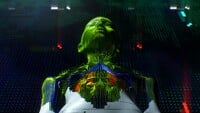 A biomata shell being printed.
 The hand of a biomata shell being woven.

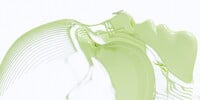 The synthsilk portions of a biomata shell being woven.
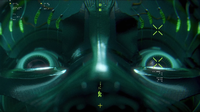 A Triage shell in the process of being woven.
 WEAVEworms exiting the eyes of a Triage shell.
 A partially-woven biomata shell surrounded by silk moths and pupae.


Iconography[edit]
 An icon representing the silk moth.
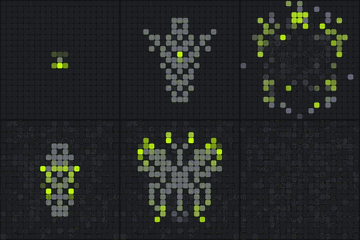 A loading icon representing the life cycle of the silk moth.


Merchandise[edit]
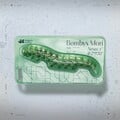 The WEAVEworm reproduction sold with the Marathon Collector's Edition.
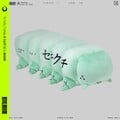 The WEAVEworm plush sold in the Bungie Store.
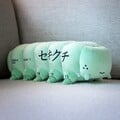 An in-situ photo of the WEAVEworm plush.
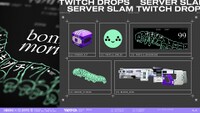 WEAVEworm cosmetics granted as Twitch Drops for the Server Slam.


Appearance[edit]
- Marathon (2026) (First appearance)
References[edit]
- ^ Marathon (2026), Codex, WEAVEworm Stasis Knot: AN INTRODUCTION TO SYNTHSILK
- ^ Marathon (2026), Codex, WEAVEworm Stasis Knot: WEAVEWORM TECHNOLOGICAL TIMELINE
- ^ ARG document, pg. 43
- ^ Marathon (2026), Codex, Selection Pressures [1/4]: CODE FRAGMENTS: CERBERUS